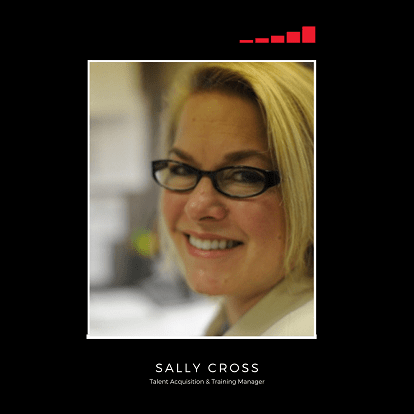
Sally Cross on the Defense Industry
Our Defense Recruiting Teams have been connecting top security-credentialed Defense Professionals with market-leading Government Suppliers, Defense Contractors, and Support Industry companies for over 70 years.
Talascend’s reputation holds high when staffing for all engineering and technical sectors of the Defense Industry. Evolving economic factors keep our teams adjustable and ready to fill critical client demands under any market circumstances.
The defense sector remains highly complex and agile. To offer an insider look into current market directions, employment criteria, and advice for technical professionals transitioning into defense, we sat down with Talascend's Talent Acquisition and Training Manager, Sally Cross.
What is your position and main responsibilities at Talascend?
I have been responsible for recruiting, account management, and training staff over the past 12 years at Talascend. Currently, I am responsible for several key accounts ensuring the staffing success of our business with nationwide clients in automotive, manufacturing, aerospace and defense industries.
In what ways do you assist in staffing with the defense industry?
I fill contract and direct positions with clients who supply products, services, and vehicles to the military and Department of Defense. Many of our manufacturing clients have commercial business and supply to the Defense industry.
For example, a client may have two divisions that design, develop, and manufacture sub-assemblies for ground vehicles: one division handles commercial trucks driven over the road, while the other produces parts for military light tactical vehicles like the MRAP. We see this cross-over frequently, not just for ground vehicles, but for airplane turbines or complex automation software for advanced robotic systems.
What are the current employment trends in the defense industry? How do you foresee these changing?
The Department of Defense and their suppliers are considered an "essential workforce." Consequently, we have not seen any interruption in the need for professional, IT, engineering, machinist, mechanic, or support talent since the COVID-19 crisis started. If anything, there has been an increase in the need for highly skilled, qualified talent for these critical positions nationwide.
It’s been exciting to discuss high-tech job opportunities with candidates who may be considering this sector for the first time. While there will always be a requirement for new technologies and products for our troops, the Defense industry is not entirely "recession-proof" and remains subject to the fluid cycles of defense funding allocations.
What do employers in the defense industry look for in their employees?
Like most employers, businesses that supply to the military and defense industry prefer candidates with direct industry experience, familiarity with strict DOD quality standards, and higher education or specialized certifications. They also favor professionals who have operated within larger corporate frameworks and have worked with the latest software and technical environments.
Candidates who express a willingness to relocate for promotional opportunities are highly valued. Former military personnel are frequently preferred because of their inherent understanding of the military client, directly related technical experience, and active security clearances.
Important Compliance Note:
Unlike typical manufacturing roles, many defense industry positions strictly require U.S. Citizenship and the ability to obtain or maintain a security clearance. Since it takes one to three months to obtain the lowest-level clearance, there is an immense hiring preference for candidates who have been vetted before.
Any further advice or comments about Defense?
Don’t let a lack of direct industry experience deter you, this industry hires a lot of civilians! Like most careers, it’s easiest to start at the bottom and work your way up. I highly encourage pursuing internship or co-op positions while in school.
For professionals looking to transition into this industry later in their career, do your homework and figure out exactly how your technical skills transfer to the role you want within the company you are targeting. Take the time to clearly define those structural connections for your target employer; don’t expect them to connect the dots for you.
Consider a contract position or temporary role to gain baseline exposure and entry onto your resume. Having that practical experience and a strong recommendation from a direct defense supervisor can easily start a chain reaction that leads to your ideal career role.
About Talascend
Talascend is a specialized talent solutions firm connecting engineering, technical, and skilled trades professionals with the companies building America’s infrastructure, energy systems, defense capabilities, and manufacturing base. With nearly 80 years of industry experience, Talascend serves clients nationwide from its headquarters in Troy, Michigan.